The digital landscape has fundamentally shifted toward hyperlocal search, with 800 million monthly “near me” searches happening across the globe. For WordPress-powered businesses, this presents an unprecedented opportunity to capture high-intent local customers who are actively seeking services in their immediate vicinity. With 82% of smartphone users conducting “near me” searches and 76% visiting a business within 24 hours, mastering hyperlocal SEO isn’t just beneficial—it’s essential for survival in 2025.

Near Me Search Behavior and Conversion Patterns in 2025
Understanding Hyperlocal SEO in the WordPress Ecosystem
What Makes Hyperlocal Different from Traditional Local SEO
Hyperlocal SEO goes beyond city-wide optimization, focusing on micro-locations like specific neighborhoods, districts, or even a few postal codes. While traditional local SEO might target “restaurants in Chicago,” hyperlocal SEO targets “Italian restaurants in Lincoln Park Chicago” or “coffee shops near Millennium Park.”
Key Hyperlocal Characteristics:
- Geographic precision: Targeting areas within a 5-mile radius
- Intent-driven queries: 46% of all Google searches have local intent
- Mobile-first behavior: 84% of local searches conducted on mobile devices
- Immediate action: 28% of local searches result in a purchase

Boost your business in ‘near me’ searches

Pooja Upadhyay
Director Of People Operations &
Client Relations
The WordPress Advantage for Hyperlocal Success
WordPress powers over 58% of all CMS-built websites, making it the dominant platform for local businesses. Its extensive plugin ecosystem and flexibility provide unique advantages for hyperlocal optimization:
- Plugin Integration: Over 60,000 plugins available for specialized local SEO features
- Schema Markup Support: Native support for structured data implementation
- Mobile Responsiveness: Built-in mobile-first design capabilities
- Content Management: Easy creation of location-specific content and landing pages
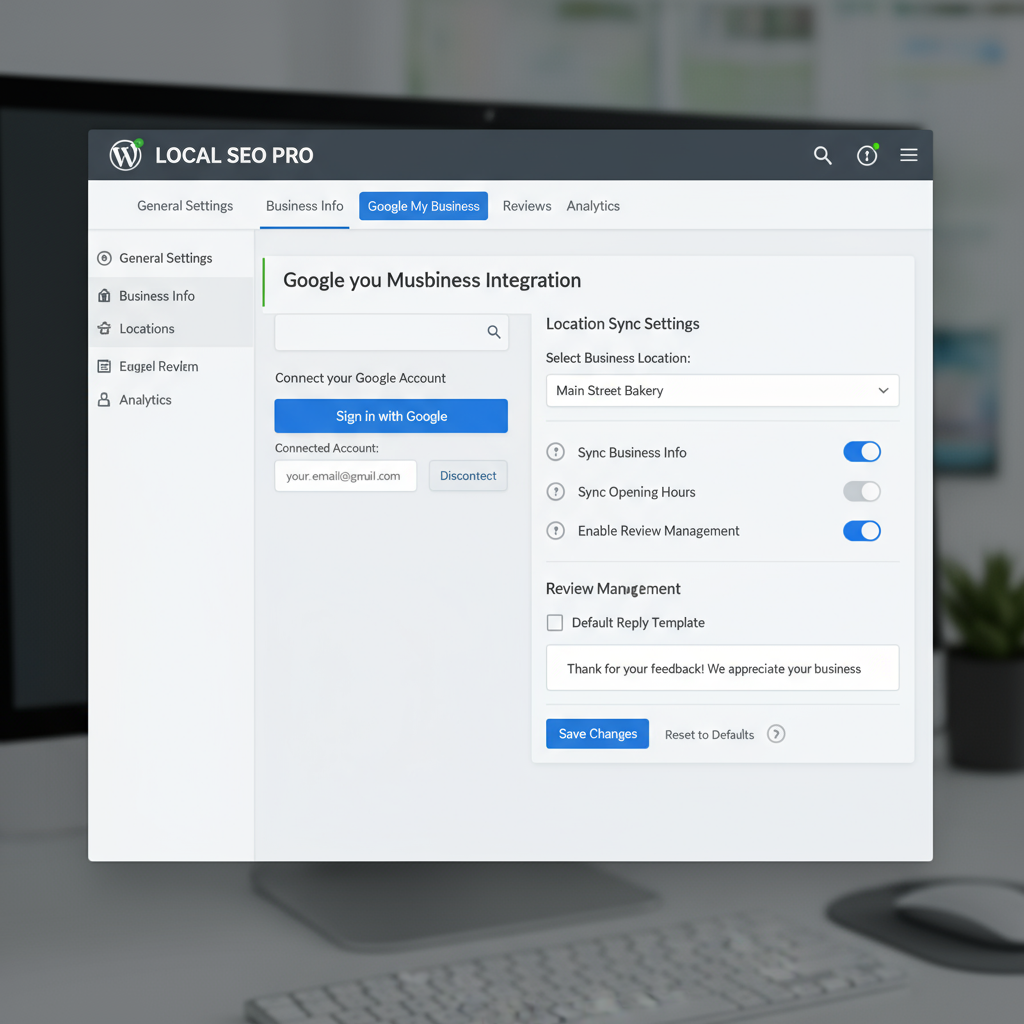
WordPress Local SEO Plugin Dashboard Interface
Essential WordPress Plugins for Hyperlocal Domination
Top-Tier Local SEO Plugin Solutions
1. Yoast Local SEO
- Google My Business Integration: Direct GMB management from WordPress dashboard
- Multiple Location Support: Perfect for franchises and multi-location businesses
- Schema Markup Automation: Automatic local business structured data
- Opening Hours Management: Dynamic display of business hours
2. AIOSEO Local SEO
- Smart Business Info Management: Centralized NAP (Name, Address, Phone) consistency
- Google Maps API Integration: Seamless mapping without coding
- Location Import Flexibility: Easy migration from other platforms
- Validation System: Prevents costly local SEO mistakes
3. Schema Pro
- Advanced Schema Control: Granular structured data management
- Local Business Markup: Comprehensive JSON-LD implementation
- Display Rule Management: Target specific pages and posts
- Custom Field Integration: Map existing content to schema properties
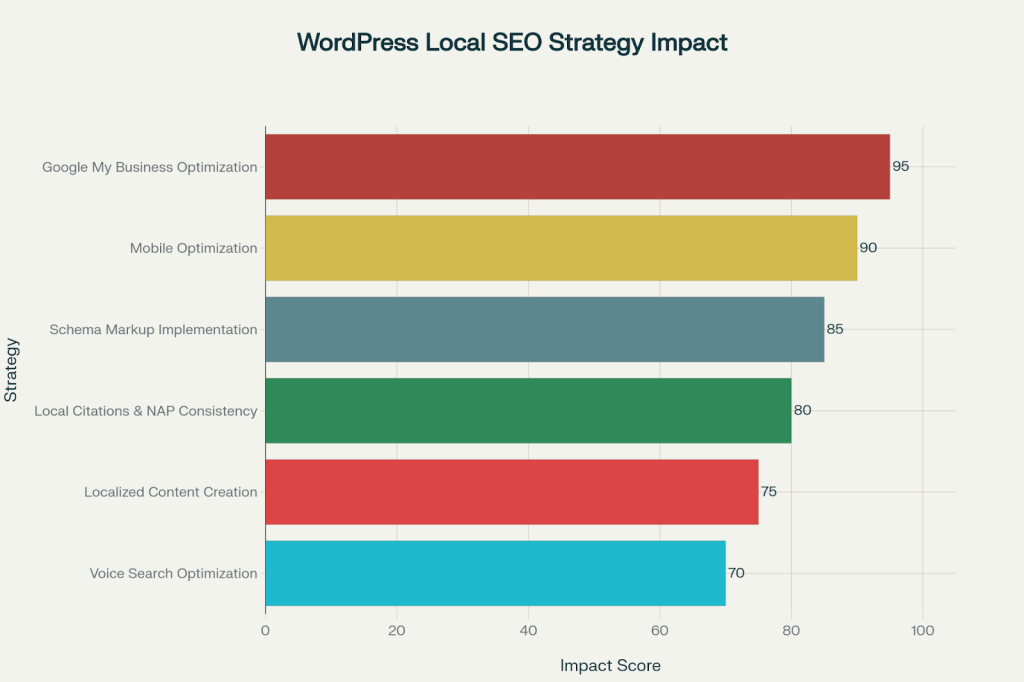
WordPress Local SEO Strategy Effectiveness Rankings 2025
Technical Implementation Strategies
Schema Markup for Local Dominance
Local Business Schema is crucial for appearing in rich snippets and local pack results. 46% of Google searches seek local information, making structured data essential for visibility.
Core Schema Elements to Implement:
- Business name, address, and phone number (NAP)
- Operating hours and special schedules
- Service areas and geographic coordinates
- Customer reviews and ratings
- Payment methods accepted
- Images and business logos
Google Maps Integration Best Practices
Mobile optimization is critical since 72% of consumers who search locally visit a store within 5 miles. WordPress Google Maps integration should include:
- Interactive Maps: Allow users to get directions instantly
- Store Locator Functionality: Multiple location support with filtering
- Mobile-First Design: Responsive maps for all screen sizes
- Click-to-Call Integration: Direct phone connectivity from map listings
Content Strategies for “Near Me” Search Domination
Hyperlocal Content Creation Framework
1. Neighborhood-Specific Landing Pages
Create dedicated pages for each service area with unique, valuable content. Localized content performs 6x better than translated content, emphasizing the importance of area-specific information.
Page Structure Should Include:
- Local landmarks and geographic references
- Community events and partnerships
- Area-specific services and pricing
- Customer testimonials from the neighborhood
- Local business directory listings and citations
2. Voice Search Optimization
With 58% of consumers using voice search for local business information, conversational content is essential.
Voice-Friendly Content Strategies:
- Use question-based headings (“How to find the best pizza near downtown Seattle?”)
- Write in conversational, natural language
- Target long-tail, spoken keywords
- Implement FAQ sections addressing common voice queries
- Optimize for featured snippets and position zero results
Local Content Calendar Development
Seasonal and Event-Based Content:
- Local festival coverage and participation
- Seasonal service offerings
- Community involvement stories
- Weather-related service needs
- Local sports team sponsorships
Data-Driven Content Topics:
Research shows 88% of consumers read reviews about local businesses. Create content addressing:
- Customer success stories from specific neighborhoods
- Before/after case studies with local addresses
- Community problem-solving initiatives
- Local partnership announcements
Mobile Optimization for Hyperlocal Success
Critical Mobile Performance Factors
Speed and Accessibility Requirements:
- Page load times under 3 seconds for mobile users
- Responsive design for all device sizes
- Click-to-call buttons prominently displayed
- GPS-enabled location services integration
Mobile User Journey Optimization
The mobile hyperlocal journey typically follows this pattern:
- Search Query: “coffee shops near me”
- Local Pack Results: Top 3 businesses displayed with maps
- Business Profile Click: Detailed information and reviews
- Action Taken: Call, visit, or get directions
Optimization Points:
- Google My Business Profile: Complete with photos, hours, and reviews
- Website Mobile Experience: Fast, accessible, and conversion-focused
- Local Citations: Consistent NAP across all directories
- Review Management: Encourage and respond to customer feedback
Advanced Hyperlocal SEO Techniques
AI-Powered Local Optimization
2025 brings AI integration opportunities for hyperlocal SEO success:
AI Applications for Local SEO:
- Automated review response systems
- Content personalization based on location data
- Voice search query prediction and optimization
- Local keyword trend analysis and adaptation
- Competitor monitoring and strategy adjustment
Multi-Location Schema Implementation
For businesses with multiple locations, proper schema markup becomes complex but crucial:
Individual Location Pages Should Include:
- Unique URLs for each location
- Location-specific schema markup
- Individual Google My Business profiles
- Separate review collection strategies
- Location-specific content and offers
Voice Search and Conversational Queries
Voice search optimization requires a different approach than traditional text-based SEO:
Conversational Keyword Strategy:
- Target natural, spoken phrases
- Optimize for question-based queries
- Use location-specific conversational terms
- Implement FAQ schema markup
- Create content answering “where,” “when,” and “how” questions


 Level Up With AddWeb
Measuring Hyperlocal SEO Success
Key Performance Indicators (KPIs)
Primary Metrics to Track:
- Local pack rankings for target keywords
- Google My Business insights including views, clicks, and actions
- “Near me” keyword positions in search results
- Mobile organic traffic from local searches
- Conversion rates from local search traffic
- Review quantity and sentiment across platforms
WordPress Analytics Integration
Essential Tracking Setup:
- Google Search Console for local search performance
- Google Analytics with location-based segments
- Google My Business insights integration
- Call tracking for phone conversions
- Heat mapping for mobile user behavior
Case Studies: Real WordPress Hyperlocal Success
Local Service Business Transformation
A New York plumbing business implemented comprehensive local SEO strategies, focusing on neighborhood-specific content and review management. Results after three months included:
- 50% increase in website traffic
- 30% increase in customer calls
- Improved local pack rankings for target neighborhoods
Boutique Store Content Strategy Success
A San Francisco boutique implemented localized content marketing, creating blog posts about local fashion events and collaborating with area influencers. Within one year:
- 70% increase in organic traffic
- 60% increase in sales
- Improved local search visibility across multiple neighborhoods
Future-Proofing Your WordPress Hyperlocal Strategy
Emerging Trends for 2025 and Beyond
Technology Integration:
- AR (Augmented Reality) integration for location-based experiences
- Advanced AI chatbots for local customer service
- IoT device integration for smart city applications
- Blockchain verification for business listings and reviews
Search Evolution:
- Visual search integration with local results
- Video content optimization for local searches
- Social commerce integration with location targeting
- Sustainable business practices as ranking factors
WordPress Plugin Development Outlook
Anticipated Plugin Enhancements:
- Advanced AI-powered content optimization
- Automated local citation building
- Enhanced voice search compatibility
- Integrated social media local marketing
- Advanced analytics and reporting dashboards
Implementation Action Plan
Phase 1: Foundation Setup (Week 1-2)
Technical Infrastructure:
- Install and configure primary local SEO plugin
- Implement basic schema markup for business information
- Optimize Google My Business profile completely
- Ensure mobile responsiveness and speed optimization
Phase 2: Content Development (Week 3-6)
Content Creation:
- Develop neighborhood-specific landing pages
- Create voice-search optimized FAQ sections
- Build local event and community content calendar
- Implement review collection and management system
Phase 3: Advanced Optimization (Week 7-12)
Enhanced Features:
- Advanced schema markup implementation
- Multi-location setup (if applicable)
- Voice search and AI integration
- Advanced analytics and tracking setup
Phase 4: Monitoring and Refinement (Ongoing)
Continuous Improvement:
- Monthly performance analysis and reporting
- Seasonal content updates and optimization
- Competitor analysis and strategy adjustment
- New plugin and feature integration as available
WordPress hyperlocal SEO in 2025 demands a comprehensive, technology-forward approach that combines traditional optimization techniques with emerging AI and voice search capabilities. By implementing the strategies outlined in this guide, businesses can effectively dominate “near me” searches, capture high-intent local customers, and build sustainable competitive advantages in their immediate geographic markets.
The key to success lies in consistent execution, continuous monitoring, and adaptation to the evolving local search landscape. With 80% of local mobile searches converting and the continued growth of location-based queries, the opportunity for WordPress-powered local businesses has never been greater.
Source URLs:
- https://www.linkedin.com/pulse/local-seo-2025-how-businesses-can-dominate-search-scott-8pnse
- https://searchengineland.com/guide/near-me-search-optimization
- https://wordpress.org/plugins/tags/local-seo/
- https://wordpress.com/plugins/browse/local-seo/
- https://wordpress.com/support/google-maps/
- https://developers.google.com/maps/third-party-platforms/wordpress
- https://wordpress.com/blog/2025/07/15/add-schema-markup-to-wordpress/
- https://wordpress.org/plugins/voice-search-optimization/
- https://wordpress.org/plugins/wp-google-map-plugin/
- https://developers.google.com/search/docs/appearance/structured-data/local-business
- https://wordpress.org/plugins/wp-google-maps/
- https://www.wpgmaps.com
- https://trends.google.com/trends/
About the Author: Mahima Dave is a Client Account Manager at AddWeb with 5+ years of experience in WordPress and client relationship management. She has been actively involved in the WordPress community through contributions and events, while also excelling at building strong client connections, ensuring seamless communication, and driving project success